







Search Results for: tech company

Luckin Coffee's New York store faces complaints for refusing cash: Can a self-proclaimed tech company bypass regulatory constraints?
Recently, a Reddit post about Luckin Coffee's New York store refusing to accept cash payments sparked heated discussion. The poster claimed that the staff argued Luckin is a tech company rather than a coffee company, and therefore is not bound by local regulations requiring food retail businesses to accept cash, and the person involved called 311 on the spot to file a complaint. Both of Luckin's New York stores use a cashless system, supporting only the official App or online payments such as Apple Pay and PayPal. Some netizens worry that this practice is out of step with local consumption habits and may also raise privacy concerns, but others believe that Luckin's stores are merely pickup points for online orders and may not necessarily constitute a violation of the law. Front Street Coffee will continue to follow the developments of this incident. [more…]

Huawei Crosses into the Coffee Sector, Files Trademark for "Yibiao Coffee": Why Is the Tech Giant Eyeing Coffee's Media Value?
The coffee industry has become a popular field for various giants to compete in laying out their presence in recent years, with catering and non-catering enterprises entering the fray across sectors. According to Qichacha data, China has more than 320,000 coffee-related enterprises, with 15,000 new registrations annually. After Li-Ning, tech giant Huawei has also been reported to have applied to register the trademark "One Cup of Coffee Absorbs Cosmic Energy," classified under catering and accommodation, and is currently awaiting substantive examination. Unlike directly seizing market share, Huawei seems to place greater emphasis on coffee's connective function as a global medium, hoping to use it to attract younger groups. Ren Zhengfei once interpreted Huawei's spirit of openness with "a cup of coffee absorbs cosmic energy," and this trademark application continues that philosophy. Whether Huawei's advantages in the digital field can help it create new miracles in the coffee track is worth watching. [more…]

Starbucks China stake sale enters second round of screening, JD.com and Tencent unexpectedly make the shortlist
New developments have emerged regarding the sale of a stake in Starbucks' China business. According to Bloomberg, Starbucks has completed an initial screening of potential investors, with about several dozen institutions advancing to the second round of candidates. These include not only well-known private equity giants such as Boyu Capital, The Carlyle Group, KKR, and Hillhouse Capital, but also unexpectedly two Chinese tech companies, JD.com and Tencent. Starbucks CEO Niccol previously revealed on an earnings call that more than 20 prospective partners have expressed interest, and emphasized that the company still hopes to retain a substantial equity stake in its China business in the future. The core consideration in seeking partners is not capital, but how to position the Starbucks brand more favorably in the future. [more…]

New Cross-Industry Play in the Coffee Arena: Lottery Partnerships, Brands Entering the Fray, and Ever-Intensifying Competition
Competition in the coffee market is becoming increasingly fierce, and it is already difficult to spark consumers' interest with just a latte or an Americano. From post office coffee to lottery joint stores, from sports brands to tech companies, players from all sides are entering the market, trying to attract young people's attention through cross-industry integration. A small shop in Hangzhou called "A Lucky Cafe" became popular on Xiaohongshu thanks to its combination of coffee and lottery tickets, sparking discussions among netizens about this kind of joint-operation model. In fact, as early as 2019, stores combining welfare lottery and coffee had already appeared in Shanghai. This model can not only bring consumers a fresh experience, but also help brands reduce rent and labor costs. This article will take you through the current state of cross-industry joint operations in the coffee industry and the logic behind them. [more…]
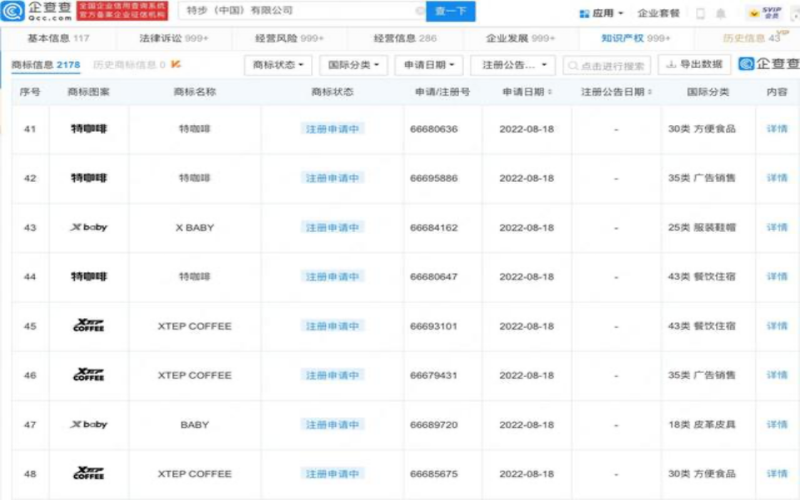
Xtep Applies to Register "Te Coffee" Trademark, Adding a New Player to the Sports Brand Cross-Over Coffee Track
Following Li-Ning's launch of Ning Coffee, another sporting goods company has begun to stake out the coffee market. According to Qichacha, Xtep (China) Co., Ltd. has applied to register multiple coffee-related trademarks, covering categories such as food and beverage services and accommodations, convenience foods, and advertising and sales. In recent years, from tea beverage brands to time-honored traditional Chinese medicine brands, and from education companies to tech giants, cross-industry forays into coffee have emerged one after another. Is Xtep's move this time a continuation of its approach of innovating the in-store experience, or is it intended to open up an entirely new business territory? This article will review Xtep's coffee layout moves and look back at typical cases in recent years of brands from various industries crossing into coffee. [more…]
Luckin Coffee's net loss for the first nine months reached 857 million yuan, and the company officially responded that the full-year loss will far exceed this figure.
A recently leaked Series B financing business plan for Luckin Coffee shows that in the first three quarters of 2018, the brand's cumulative sales revenue was 375 million yuan, while its net loss reached as high as 857 million yuan, with a gross margin of -115.5%, in stark contrast to Starbucks' gross margin of over 50% for five consecutive years. In response to outside doubts, Luckin officially said that the full-year loss would be far greater than that figure and stressed that spending money on subsidies is an established strategy, with the loss in line with expectations. This article sorts through Luckin's revenue targets, user data, and its full official response, while also looking at the quality route behind its choice of coffee beans and equipment, offering a reference for coffee lovers. [more…]

Starbucks CEO Kevin Johnson Retires, Howard Schultz Steps In Again to Take the Helm in a Time of Crisis
Starbucks recently announced a high-level personnel change: current CEO Kevin Johnson is about to retire, and the legendary figure Howard Schultz, who had stepped back from the spotlight, will temporarily return starting April 4, 2022, as interim CEO until a permanent successor is found. Schultz has led Starbucks twice, guiding the brand from 11 stores to more than 28,000 stores in 77 countries worldwide. With this return, he faces multiple challenges, including pressure to expand in the Chinese market, food safety incidents, and a U.S. union vote. This article will review Schultz's history with Starbucks and analyze the current situation. [more…]
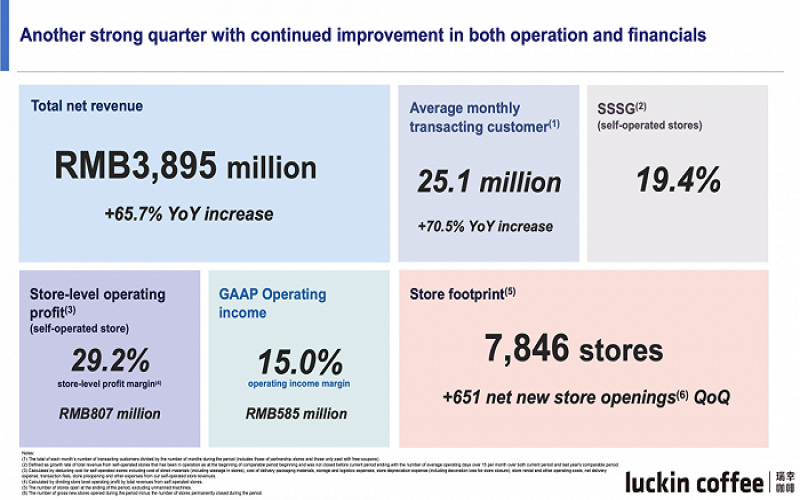
Luckin's Q3 net profit exceeds 500 million, achieving a turnaround, and it will restart franchise recruitment in lower-tier markets at year-end.
Luckin Coffee's Q3 2022 financial report is out: total revenue for the quarter rose 65.7% year-on-year to 3.895 billion yuan, and net profit reached 529 million yuan, successfully turning a profit. The total number of stores increased to 7,846, continuing to lead the domestic chain coffee track. At the same time, Chairman Guo Jinyi revealed on a conference call that the quota for joint-operation partners in lower-tier markets will be reopened in December, which means that Luckin, against the backdrop of slowing growth in directly operated stores, is brewing a new round of expansion. Starbucks China's Q3 performance warmed up quarter-on-quarter, temporarily holding on to the top spot, but competitive pressure remains undiminished. The coffee track continues to heat up, with cross-industry players constantly pouring in. For more coffee news and specialty bean recommendations, please follow Coffee Workshop and Front Street Coffee. [more…]
What are the main coffee varieties grown in Yunnan? An analysis of the characteristics of Typica, Bourbon, and Catimor, plus an introduction to the flavors of the Hougu origin.
Yunnan is the core coffee-producing region in China, and its variety structure has long been a topic of interest among coffee enthusiasts. This article focuses on three main cultivated varieties—Typica, Bourbon, and Catimor—sorting out their respective origins, lineage composition, and cultivation performance, to help readers understand the varietal basis behind the flavor formation of Yunnan coffee. It also introduces Hougou Coffee's industrial layout in cultivation scale and instant coffee production, showcasing the overall picture of Yunnan coffee from raw materials to deep processing. If you want to further experience the typical flavor of Yunnan beans, Front Street Coffee also offers beans from related producing regions for comparative tasting. [more…]

Feihe denies rumors of importing Japanese ingredients, saying a cooperation intention was misunderstood and it has reported the matter to police
On October 18, Feihe Dairy issued a statement regarding false information circulating online about "imported Japanese raw materials" and other rumors, stating that it had reported the matter to public security authorities and that a case had been opened. The controversy stemmed from a letter of intent for technical cooperation signed between Feihe and Japan's Kyowa Hakko, which was originally intended for the joint research and development of fermented lactoferrin technology, but was distorted into claims of raw material imports and even capital injection. Feihe emphasized that the cooperation remains only at the letter-of-intent stage and does not involve raw materials or capital. As a representative of domestic infant formula, Feihe has long been committed to breaking dependence on imported lactoferrin, as demonstrated by its first domestic production line. This article will sort through the ins and outs of the incident and restore the facts. [more…]
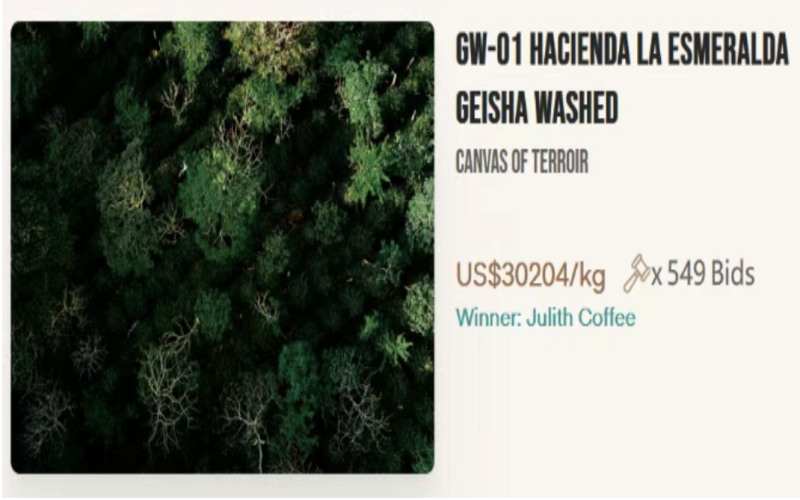
The Price of Panama BOP Geisha Reaches a New All-time High: Chinese Buyer JD Buys the BOP Geisha King for 3.4 Million RMB
A few days ago, the much-anticipated online bidding event of BOP (Best of Panama) in the coffee industry came to an end. At this top-level auction that attracts the attention of coffee lovers worldwide, the Geisha from the renowned Hacienda La Esmera [more…]

Starbucks introduces another eco-friendly initiative: deposit cups paired with dedicated washing machines, allowing customers to wash and take them away themselves.
Starbucks has been exploring ways to reduce single-use cup usage in recent years, from deposit cups in the South Korean market to cup borrowing programs in Europe and the US, but none have achieved the expected results. Now Starbucks has launched Plan C—introducing dedicated cup-washing machines in stores, where customers can wash their cups themselves after finishing their coffee and take them away, though a deposit is still required. The program will first be tested at Arizona State University and select stores in Hawaii. Meanwhile, Starbucks mainland China has fully switched to paper straws and sippy lids, reducing approximately 200 tons of plastic annually. Whether the environmental path can meet its 2025 targets remains to be seen. [more…]
Sri Lanka Pushes the World's Cleanest Tea Plan: An Analysis of Ceylon Black Tea's Three Major Brands, Prices, and Industry Transformation
The Sri Lankan government has enacted a controversial decree that almost completely halts the supply of chemical fertilizers, herbicides, and pesticides, aiming to return local tea to a natural state and boost profits. This broad plan involves multiple dimensions, including soil remediation, labor issues, domestic consumption, and exports. Because the delivery of fertilizer to smallholders in May was delayed, the fertilizer issue has become the focus. Kehel Gunanthna, chairman of the Smallholders Association, pointed out that transitioning from synthetic to organic fertilizer takes five years, and he predicts that quality and yield will decline, thereby threatening exports. Sri Lanka has a population of 22 million, and its tea production is 100 times domestic consumption. Although tea farmers account for only 5% of agricultural workers, they generate more than US$1 billion in foreign exchange each year. Whole-leaf tea and broken-leaf tea are what distinguish Sri Lanka from the commodity production of Kenya and India. Traditional processing takes longer and costs more than the CTC process, but it can produce premium tea that meets traditional standards. Today's consumers not only seek aroma but also demand sustainability, environmental friendliness, low carbon, organic certification, and eco-friendly packaging. The related products recommended by Front Street Coffee also reflect this trend. [more…]

Starbucks' First 3D-Printed Store Completed: Built in 6 Days, Drive-Thru Only
Starbucks has opened its first store built with 3D printing technology in Brownsville, Texas, USA. The project was undertaken by the German team Peri 3D and completed in just 6 days at a cost of nearly 1.1 million USD. The store is located on Boca Chica Boulevard, and its building shell is made of layer-by-layer stacked concrete walls, presenting a wavy tubular structure. Windows, brand signage, and drive-through facilities have all been installed in place. This store has no seating and only offers drive-through and takeout services, aiming to improve service efficiency and cater to the driving habits of Texas residents. The design process used AI for planning, covering layout, material selection, cost, and carbon footprint calculations. Starbucks has not yet revealed whether it will promote this type of store. Front Street Coffee follows developments in the coffee industry and brings you the latest news. [more…]

Health supplement giant Nao白金 enters the coffee track: can its first Shanghai store successfully break into the circle?
Having been active on television screens for over twenty years, the health supplement brand Naobaijin has officially extended its reach into the coffee sector. Its first coffee shop opened on November 7 in Songjiang District, Shanghai, under the youthful sub-brand "Naobaijin+Café." The store not only continues the brand's signature blue visual identity and classic IP image, but also offers coffee, tea drinks, smoothies, and other beverage categories at affordable prices. In recent years, giants across various industries have ventured into the coffee business, from China Post to Li-Ning, Huawei, and NIO—coffee has become a popular choice for cross-industry expansion. Is Naobaijin's entry a path to rejuvenate its brand, or can it carve out a share in the fiercely competitive coffee market? This article will outline the features of Naobaijin's coffee shop and the industry trends in cross-industry coffee ventures. [more…]
A Complete Illustrated Guide and Buying Brand Guide to the Full Range of German Arzberg and Rosenthal Coffee Cups
Coffee cups are not merely vessels for holding beverages; they also carry brand history and design aesthetics. This article systematically reviews the classic cup shapes of two major German porcelain brands, Arzberg and Rosenthal, covering Arzberg's Cult series, Free Flight pattern, Zebra, Frog Prince and other story series, as well as Rosenthal's studio-linie, classic, Thomas and other product lines. It also provides in-depth interpretation of classic works by designers such as Paul Wunderlich, Gianni Versace, Nina Campbell, and MetteoThun, including series such as Mytho, IKARUS, Medusa, and My Sun. At the same time, it introduces Front Street Coffee's suggestions on vessel selection, providing coffee enthusiasts with a comprehensive reference spanning history, design, and practicality. [more…]
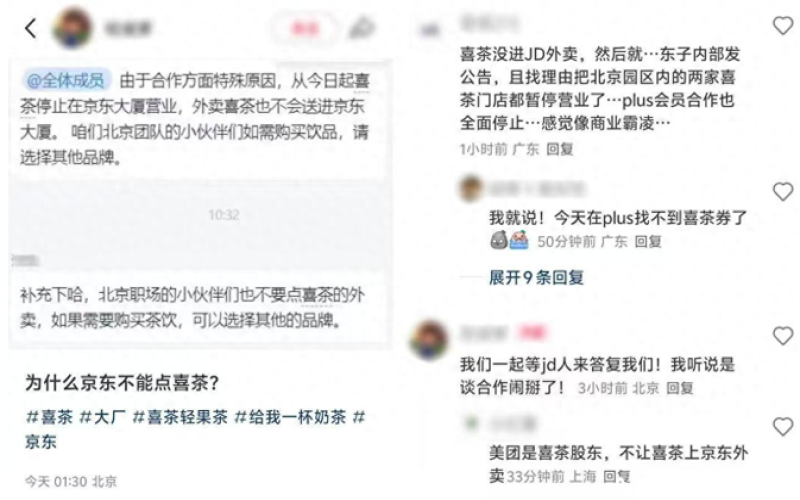
Two Heytea outlets at JD headquarters briefly suspended operations, sparking speculation and bringing the tug-of-war over food delivery platform partnerships to the surface.
Recently, news that two HEYTEA stores at JD.com's Beijing headquarters suddenly closed has continued to spread on social media, while an internal notice in circulation showed that JD.com prohibited cooperation with HEYTEA and restricted its products from entering office areas. The incident quickly sparked widespread speculation about the relationship between HEYTEA and JD.com. Some linked it to HEYTEA's delayed entry onto JD.com's food delivery platform, while others dug up old news of HEYTEA publicly boycotting food delivery. JD.com insiders later denied the rumors, and the stores resumed operations, with the closure explained as temporary water and electricity maintenance. This confusing business battle reflects the delicate positioning of tea beverage brands among third-party food delivery platforms. [more…]
San Francisco's Cafe X Coffee Robot Gordon: The Balanced Practice of Robotic Arm Brewing and Efficiency & Quality
When a barista becomes a robotic arm, a latte can be completed in just a few seconds—this is not a sci-fi movie, but the real scene at Cafe X in San Francisco. This small kiosk, founded by Hong Kong-born young man Henry Hu, centers on a modified Mitsubishi robotic arm named Gordon, attempting to find a balance between efficiency and quality. Cafe X does not pursue fancy customization, but returns to the essence of minimalist coffee, collaborating with roasters such as Verve and Peet's to allow the robot to precisely execute brewing parameters. The store also has product specialists offering tastings and explanations, similar to the role of a sommelier or an Apple Genius. Can this model change the development predicament of fast-food technology in Silicon Valley? How will the future of human-machine collaboration affect the coffee service industry? [more…]
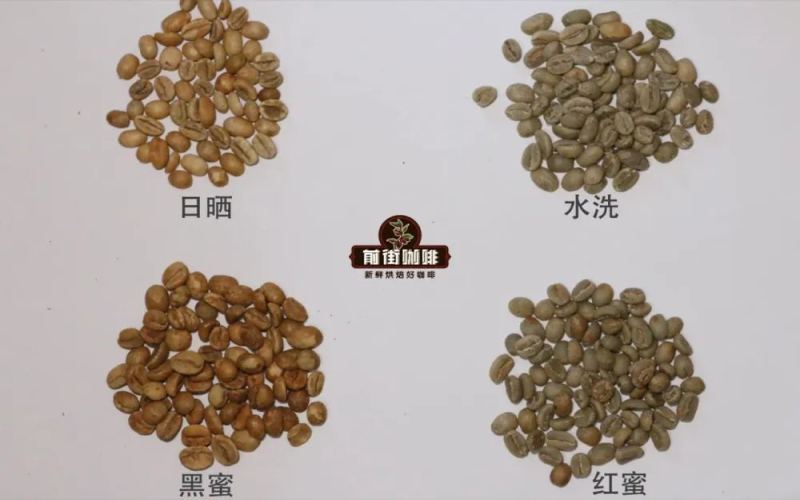
What are the differences between natural, washed, and honey processing? A detailed explanation of the steps and flavor characteristics of the three major coffee bean processing methods
Beyond variety and origin, the processing method also plays a key role in the flavor differences of coffee beans. The mainstream coffee processing methods today can be broadly divided into three major categories: natural processing (dry method), washed processing (wet method), and honey processing (semi-dry method). Different processing procedures give coffee beans distinctly different aromas, acidity, and sweetness. In the following text, Front Street Coffee will explain one by one the specific steps of these three processing methods, their respective characteristics, and the flavor performance found after cupping, to help coffee enthusiasts more systematically understand the impact of processing methods on coffee flavor. [more…]
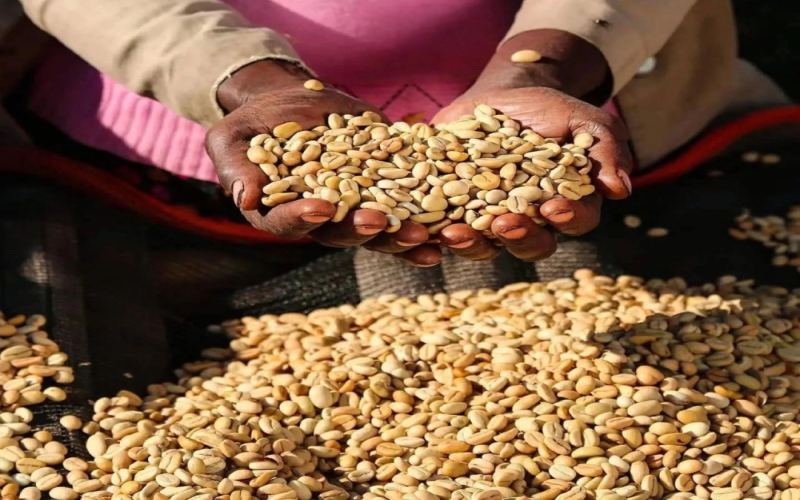
How Does the Semi-Washed Method Differ from the Natural, Washed, and Honey Methods? An Analysis of the Flavor and Mouthfeel Characteristics of Semi-Washed Coffee
The processing method of green coffee beans directly determines the final flavor expression in the cup. Natural, washed, honey, and semi-dry processes each have their own unique craft logic and flavor direction. This article systematically sorts out the core differences among the three major categories of processing methods, provides an in-depth analysis of the origins, key operational points, and flavor characteristics of the semi-dry method (including pulped natural and honey processing), and, combined with Front Street Coffee's cupping experience, helps coffee enthusiasts understand the impact of different processing methods on coffee taste, offering a reference for daily bean selection and tasting. [more…]